

They may be small, but aquarium shrimp are mighty members of the freshwater cleanup crew. Aquarium shrimp eat just about anything they can find. After all, they are scavengers. However, that doesn’t mean you should let your shrimp fend for themselves.
Feeding your aquarium shrimp a suitable diet is crucial for long-term health. It’s particularly important if you hope to breed your aquarium shrimp. But what do aquarium shrimp eat, and how do you feed them? That’s what we’re here to discuss.
Let’s delve into the depths of this topic, exploring the diets of aquarium shrimp to find out what you should feed them and what foods to avoid.
What to Feed Aquarium Shrimp & How to Do It Properly
Feeding aquarium shrimp is relatively simple, especially given the number of commercial shrimp foods on the market. If you want your shrimp to achieve optimal coloration and live healthy lives, however, dietary variety is key. Here are some of the best foods for shrimp:
-
Shrimp pellets – Small, sinking pellets specially formulated to meet the nutritional needs of aquarium shrimp.
-
Sinking sticks – Another style of sinking shrimp food that provides a balance of essential nutrients.
-
Algae wafers – Compressed discs containing a high concentration of vegetable matter, like spirulina algae.
-
Gel food – Comes as a powder you mix with hot water to create a water-stable gel suitable for shrimp to graze on.
-
Blanched veggies – Shrimp tend to enjoy fiber-rich veggies like cucumber, zucchini, spinach, and broccoli.
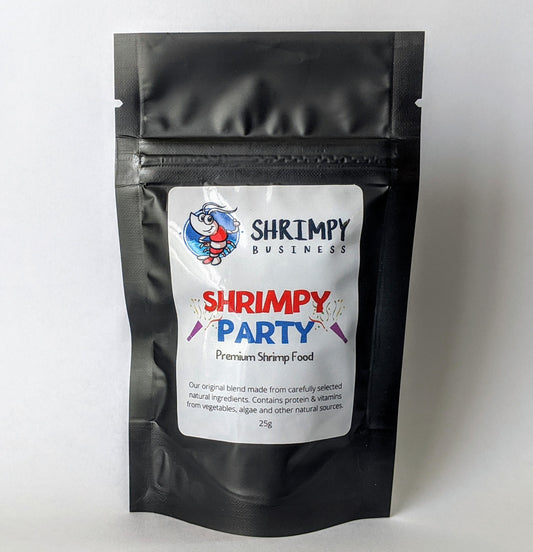
Unit price
per
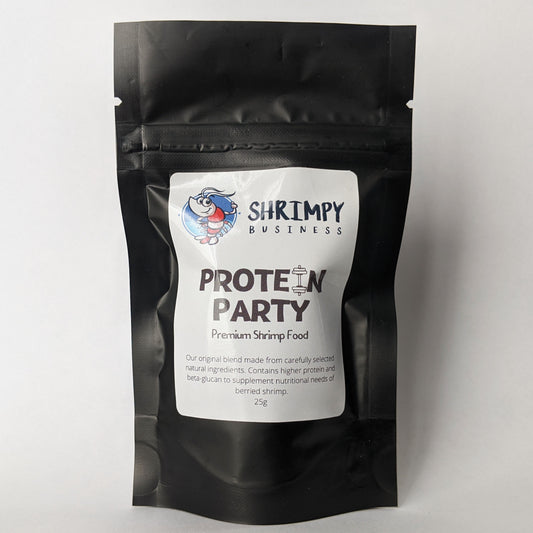
Unit price
per
The most important thing to remember about the feeding habits of aquarium shrimp is that they can only eat a little at a time. It’s best to feed small portions once daily and remove uneaten food before it can break down.
Here are some simple tips for feeding aquarium shrimp:
-
Only feed your shrimp as much as they can eat in 1—3 hours.
-
Remove uneaten food from the tank after 3 hours.
-
Offer food in a feeding dish to help contain mess in your tank.
-
Rotate the foods you offer to ensure nutritional balance and variety.
-
Siphon your substrate occasionally during water changes to remove uneaten food.
At Shrimpy Business, you’ll find a variety of shrimp foods, including sinking pellets, shrimp lollies, powdered food, and more.
Foods to Avoid Feeding Aquarium Shrimp
While aquarium shrimp have been known to nibble on a wide variety of things, understanding proper freshwater shrimp care means knowing which foods should be fed in moderation and which should be avoided entirely.

Here are three unsafe or toxic foods to avoid in a diet for aquarium shrimp:
-
Fish flakes – Heavily processed fish foods might not contain the ideal balance of nutrients for aquarium shrimp. They’re also designed to float on the surface of the water, whereas shrimp feed from the bottom. Fish flakes might sink eventually, but could break down before your shrimp have a chance to eat them.
-
Anything containing copper – While copper isn’t a common additive to standard fish foods, it’s present in some medicated formulas, and certain ingredients like krill are a natural source of copper. Shrimp are very sensitive to heavy metals like copper, so avoid giving your shrimp anything that contains it.
-
Fruit – Foods like bananas, mango, and other fruits aren’t ideal for aquarium shrimp because they break down quickly, which can lead to a spike in ammonia levels. You should also avoid feeding citrus fruits, which could impact the pH in your tank due to their acidity.
Generally speaking, it’s wise to avoid offering your shrimp foods that break down more quickly than they can eat.
Overfeeding your shrimp or leaving food in the tank for too long can negatively impact water quality and potentially harm your shrimp. That’s why it’s best to stick to small portions.
It’s also important to avoid feeding your shrimp excessive amounts of protein. While protein is an essential nutrient, too much of it could lead to rapid growth and interfere with the molting process. A healthy diet for aquarium shrimp is plant-based, supplemented with moderate amounts of protein.
What Do Aquarium Shrimp Eat in the Wild
In the wild, aquarium shrimp are omnivorous scavengers. This means that they’re opportunistic feeders, eating whatever they happen to find as they’re moving about their environment.
Aquarium shrimp are technically omnivorous, but again, their diet is more heavily made up of plant matter than animal matter.
The primary components of a natural shrimp diet include things like:
-
Biofilm and algae – Most of what freshwater shrimp eat are growths of biofilm and algae that develop on surfaces like rocks and driftwood.
-
Decaying organic matter – Like most scavengers, aquarium shrimp will feed on decaying plant matter and the remains of other aquatic animals.
-
Plankton – Shrimp will also feed on microscopic organisms in the water column, especially filter-feeding species like vampire shrimp and bamboo shrimp.
The key to keeping aquarium shrimp healthy in captivity is to mimic the balance of their natural diet. In a mature, well-maintained shrimp tank, there should be plenty of biofilm and microorganisms for your shrimp to feed on.
Depending on the size of your colony, however, you may still need to offer supplemental food a few times a week.
Wrapping Up
If you’ve been thinking about starting an aquarium shrimp colony but weren’t sure what to feed them, hopefully this article has given you the confidence to take the next step.
A mature tank with high-quality aquarium plants should naturally provide the main components of a healthy shrimp diet, but it’s up to you to keep the tank maintained properly and to provide supplemental food according to the needs of your shrimp.
Remember, it’s best to stick to sinking foods formulated specifically for shrimp. Plant-based formulas are ideal, though aquarium shrimp can still benefit from protein in their diet, just not too much of it.
If you have questions about feeding your aquarium shrimp or maintaining a healthy tank, Shrimpy Business is here to help.
Contact us today for expert advice and tips to keep your shrimp thriving. We’re always happy to help!